
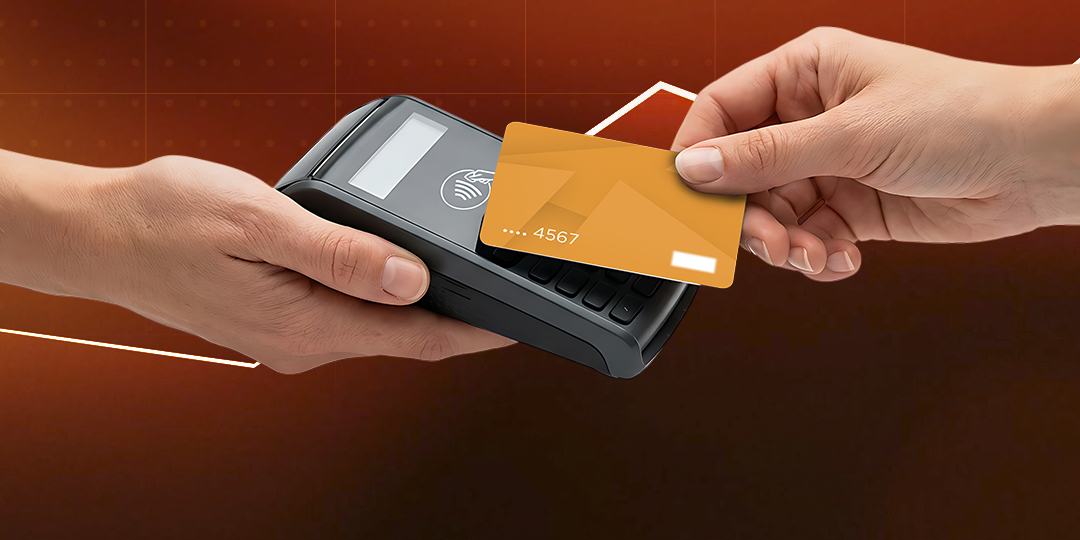
What “Frictionless” Means and Why It’s Transforming Digital Payments
In a matter of seconds, a consumer selects a product, confirms the purchase, and receives payment approval. The simpler this experience appears, the more complex the technology operating behind the scenes tends to be. In the digital payments ecosystem, “frictionless” is one of the concepts that has gained the most relevance in recent years. In … Continued
In a matter of seconds, a consumer selects a product, confirms the purchase, and receives payment approval. The simpler this experience appears, the more complex the technology operating behind the scenes tends to be.
In the digital payments ecosystem, “frictionless” is one of the concepts that has gained the most relevance in recent years. In a market where consumers expect speed and convenience, reducing unnecessary steps has become a crucial part of payment evolution. Technology must protect the transaction, but it must also prevent complex processes from interrupting what should be a seamless journey.
It is in this context that solutions like digital wallets, Click to Pay, and Passkeys are gaining ground.
What is Frictionless?
In digital payments, the term frictionless is used to describe transactions that occur fluidly, without requiring the consumer to go through additional authentication steps.
This does not mean the transaction is unprotected. Quite the opposite.
Authentication still takes place, but intelligently, leveraging contextual information and risk analysis to determine when additional validation is genuinely required.
The goal is simple: provide robust security without creating unnecessary hurdles for the buyer.
Why Does the Payment Experience Matter So Much?
In e-commerce, every additional step increases the likelihood of cart abandonment.
When the checkout process requires multiple confirmations, switching between devices, or manually filling out information, a significant portion of consumers will simply drop off before completing the purchase.
At the same time, entirely eliminating security mechanisms is not an option. Fraud attempts continue to rise, and financial institutions must protect customers, merchants, and the entire ecosystem.
This is precisely where the frictionless concept proves its value.
How Does Frictionless Authentication Work?
Instead of treating all transactions equally, modern solutions analyze various factors before deciding which authentication flow to trigger.
These include:
- Customer history
- Transaction value
- Device used
- Location
- Transaction behavior
- Risk profile
When all these elements indicate a low-risk operation, authentication can be performed automatically, without any active input from the cardholder.
If there is an inconsistency or behavior deemed unusual, the system requests an additional authentication step—known as a challenge or step-up—using methods such as biometrics, temporary codes (OTPs), or other verification mechanisms.
This model ensures that security is risk-based, meaning it is strictly proportionate to the risk of each specific transaction.
Technologies Driving Seamless Payments
For a long time, the prevailing belief was that increasing security meant adding more steps to the payment process. Today, the landscape has changed.
The evolution of payment technologies demonstrates that it is possible to bolster transaction protection while simultaneously streamlining the user experience. The goal is to reduce unnecessary friction, avoid repetitive data entry, and make authentication highly practical.
In this context, technologies like digital wallets, Click to Pay, and Passkeys help build faster, more seamless payment journeys.
1. Digital Wallets
Digital wallets have transformed how consumers use their cards. Instead of relying on a physical card, users can make payments directly from their smartphones or other connected devices.
Behind this experience, tokenization plays a foundational role. When provisioning a card into a digital wallet, the actual card number (PAN) does not need to be exposed during transactions. Instead, a token—a unique digital identifier associated with that specific payment context—is utilized.
This mitigates the exposure of sensitive data and enables highly convenient payments, whether via contactless (NFC), QR Code, or other digital channels.
For issuers, digital wallets also represent an opportunity to bring new features to their proprietary channels, offering an integrated experience built upon their existing customer relationships.
2. Click to Pay
In e-commerce, the checkout process remains one of the primary sources of friction.
Re-entering card details, switching between devices, or navigating multiple confirmation steps makes the purchase process longer and drives up cart abandonment rates.
Click to Pay was designed to simplify this experience. Based on industry standards, it allows consumers to use a pre-registered payment profile, mitigating the need to manually enter card details for every new purchase.
The experience works consistently across various devices—such as desktops, tablets, and smartphones—resulting in a faster and more streamlined checkout.
For ecosystem participants, Click to Pay drives the evolution of the digital payment experience through market-defined standards, blending convenience with robust security features.
3. Passkeys
Passwords and SMS-based OTPs have been part of the digital experience for many years. However, these methods can introduce unnecessary friction and present vulnerabilities related to credential theft or misuse.
Passkeys emerge as a highly secure alternative based on modern authentication standards, such as FIDO2, leveraging public key cryptography and native device capabilities.
In practice, users can verify their identity via facial recognition, fingerprint scanning, or their device PIN.
The result is a radically simplified experience, eliminating the need to memorize passwords or wait for temporary codes.
With HST solution, this technology can be seamlessly integrated into the issuer’s app via a multi-platform SDK, enabling institutions to embed this advanced authentication model directly into their digital channels.
Different Solutions, Same Goal
Digital wallets, Click to Pay, and Passkeys operate at different stages of the payment journey, but they share a common goal: to eliminate hurdles that do not add value to the user experience.
Whether replacing actual card data with tokens, streamlining the checkout, or removing the reliance on passwords, these technologies make payments faster and more practical.
This evolution is the driving force behind the frictionless concept: using technology to reduce perceived complexity for the user, while robust security and protection operate silently in the background.
The Role of HST
In today’s market, security and user experience are no longer conflicting objectives.
HST supports financial institutions in evolving their digital payment ecosystems, offering technologies that bridge security, innovation, and a seamless user experience.
Our solutions accelerate the rollout of new services, reduce operational complexity, and help you keep pace with market transformations across both online and in-store payments. As a result, issuers can deliver modern, secure payment experiences perfectly aligned with consumer expectations.
Get in touch with our experts to learn more about our solutions for the digital payments ecosystem.