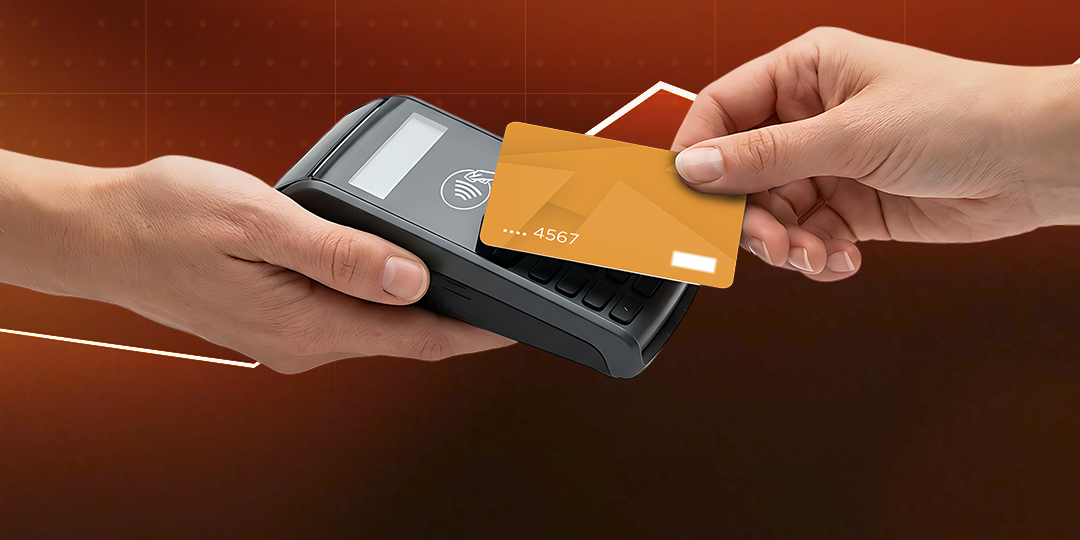
What to Consider Before Integrating a New Payment Solution?
In the financial industry, replacing or integrating a new payment system is a high-stakes move that significantly impacts core operations. For banks, processors, and acquirers, a plug-and-play approach rarely works in mission-critical environments, where delays and compliance failures can lead to millions in losses and severe reputational damage. With that in mind, choosing the right … Continued
In the financial industry, replacing or integrating a new payment system is a high-stakes move that significantly impacts core operations. For banks, processors, and acquirers, a plug-and-play approach rarely works in mission-critical environments, where delays and compliance failures can lead to millions in losses and severe reputational damage.
With that in mind, choosing the right technology requires looking beyond API documentation and conventional technical evaluations—it is a strategic decision that shapes the future of the entire organization.
To guide CTOs and operations leaders, there are non-negotiable technical and strategic pillars that should drive the integration of a new payment infrastructure:
Industry-Grade Security
Security in the payments sector must be airtight. Any technology newly introduced into your ecosystem must establish and uphold the highest standard of trust.
It is essential to evaluate whether the provider’s software comes pre-certified with the required global standards. Solutions handling Card-Not-Present (CNP) transactions, tokenization, and card issuing must be strictly aligned with industry security protocols and regulations. When the software is natively certified, your security team is spared from exhausting audit processes.
Transactional Scalability and Speed
An issuer’s or acquirer’s profitability hinges on approval speed. During peak hours or major retail events (such as Black Friday), transactions per second (TPS) skyrocket, and unprepared systems quickly slow down.
If a new payment solution lacks real-time scaling and high availability, the result is increased authorization latency—leading to bottlenecks and declined transactions. Proven stress testing and Service Level Agreements (SLAs) that guarantee millisecond response times, regardless of network pressure, are a must.
Dependency Management and Go-to-Market Agility
Payment projects often stall because they depend on multiple stakeholders. Implementation timelines (time-to-market) must be predictable. That is why you need to assess the provider’s certification track record with major card networks and their ability to minimize bureaucratic friction, ensuring the technology launches on schedule. A mature technology partner does not just deliver code; they deliver an execution strategy.
Ongoing Maintenance, Support, and Updates
Successful deployment is only day zero. The digital payments market demands continuous evolution to keep pace with constant regulatory and industry updates.
Financial institutions need providers that act as true strategic partners, offering specialized support and a deep understanding of business impact.
Making the Strategic Technology Decision
Choosing a payment infrastructure defines a financial institution’s operational efficiency for years to come. Therefore, evaluating the software alone is not enough—you must evaluate who stands behind it. This includes the team’s expertise, certification track record, and ability to keep operations stable and compliant as the business scales.
HST operates globally, delivering payment solutions for issuers, card networks, acquirers, and merchants. From secure card issuing to fraud prevention, our solutions are engineered to ensure seamless operations, scalability, and full compliance with market requirements.